
Associated Press: Their homes survived the historic LA area wildfires, but a year later they fear living in them
Published:
Our UCLA research on volatile organic compounds (VOCs) after the 2025 Los Angeles wildfires has been cited in a comprehensive Associated Press investigation into the ongoing health hazards faced by residents whose homes survived the fires.
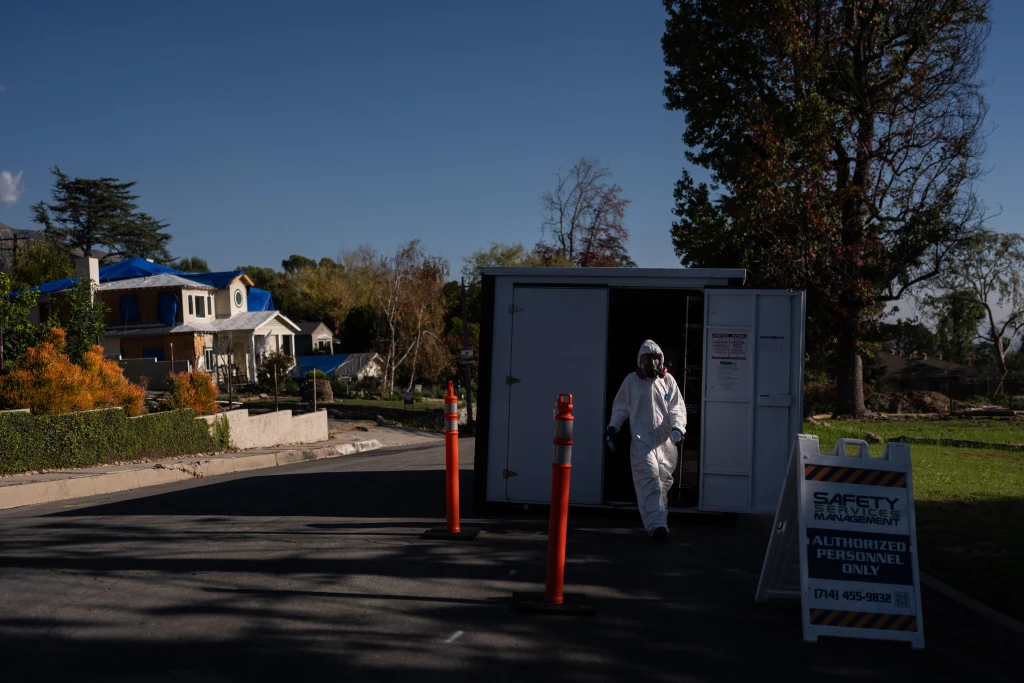
Associated Press
Associated Press published an in-depth report on the continuing health risks for Altadena and Palisades residents living in homes that survived the wildfires but were contaminated by smoke, ash, and toxic materials.
Article: Their homes survived the historic LA area wildfires, but a year later they fear living in them
Published: January 5, 2026
Authors: Dorany Pineda and Jae C. Hong
Key Findings from Resident Data
According to a report by the Eaton Fire Residents United volunteer group:
- 6 out of 10 homes damaged from smoke from the Eaton Fire still have dangerous levels of cancer-causing asbestos, brain-damaging lead, or both
- 63% of homes have lead levels above the EPA’s standard
- Average lead levels were almost 60 times higher than the EPA’s rule
- Data based on 50 homeowners who have cleaned their homes, with 78% hiring professional cleaners
Research Connection
The article prominently cites our UCLA study findings:
“Even after fires were extinguished, volatile organic compounds from smoke, some known to cause cancer, lingered inside of people’s homes, according to a recent study. To mitigate these risks, residents returning home should ventilate and filter indoor air by opening windows or running high-efficiency particulate air (HEPA) purifiers with charcoal filters.”
Resident Stories
The article features several Altadena families struggling with:
- Nina and Billy Malone: Finding harmful lead levels even after professional cleaning; experiencing health symptoms including sore throats, headaches, wheezing, and congestion
- Zoe Gonzalez Izquierdo: Unable to get adequate insurance coverage for proper cleanup of her home with young children ages 2 and 4
- Julie Lawson: Paid $7,000 out of pocket to test soil, willing to pay for additional testing if insurance won’t cover it
Insurance Challenges
Residents face significant obstacles:
- Insurance companies cutting off rental assistance, forcing families back into contaminated homes
- Disputes over what testing and remediation insurance will cover
- Only federally regulated toxins (like lead and asbestos) eligible for insurance-covered cleanup
- Retesting costs up to $10,000 often not covered
Health Expert Perspective
Dr. Lisa Patel, pediatrician and executive director for the Medical Society Consortium on Climate and Health:
“For individuals that are pregnant, for young children, it’s particularly important that we do everything we can to eliminate exposure to lead… The same goes for asbestos, because there is no safe level of exposure.”
Long-term Implications
The article highlights critical gaps in understanding:
- Indoor air quality after wildfires remains understudied
- Long-term health impacts of exposure to massive urban fires are unknown
- Known risks include links to heart disease, lung issues, and Alzheimer’s disease from exposure to minerals like magnetite
Related Research
This media coverage draws on our publication: Indoor and Outdoor Volatile Organic Compound Levels during and after the 2025 Los Angeles Wildfires published in Environmental Science & Technology Letters.
Our research provides scientific evidence supporting the urgent need for comprehensive testing, remediation, and policy changes to protect residents living in fire-affected areas.