<?xml version="1.0" encoding="utf-8"?><feed xmlns="http://www.w3.org/2005/Atom" ><generator uri="https://jekyllrb.com/" version="3.10.0">Jekyll</generator><link href="https://yuanyao22.github.io/yuanyao.github.io/feed.xml" rel="self" type="application/atom+xml" /><link href="https://yuanyao22.github.io/yuanyao.github.io/" rel="alternate" type="text/html" /><updated>2026-03-04T05:10:45+00:00</updated><id>https://yuanyao22.github.io/yuanyao.github.io/feed.xml</id><title type="html">Yuan Yao’s Homepage</title><subtitle>Yuan Yao&apos;s academic portfolio</subtitle><author><name>Yuan Yao</name><email>yuanyao22@ucla.edu</email></author><entry><title type="html">10+10 Pop-Up Series: Using Case-Based Guest Lectures to Promote Real-World Application</title><link href="https://yuanyao22.github.io/yuanyao.github.io/posts/2026/04/ucla-teaching-pop-up-case-based-lectures/" rel="alternate" type="text/html" title="10+10 Pop-Up Series: Using Case-Based Guest Lectures to Promote Real-World Application" /><published>2026-04-07T00:00:00+00:00</published><updated>2026-04-07T00:00:00+00:00</updated><id>https://yuanyao22.github.io/yuanyao.github.io/posts/2026/04/ucla-teaching-pop-up-case-based-lectures</id><content type="html" xml:base="https://yuanyao22.github.io/yuanyao.github.io/posts/2026/04/ucla-teaching-pop-up-case-based-lectures/"><![CDATA[<p>Dr. Yuan Yao will be presenting at the UCLA Teaching and Learning Center’s 10+10 Pop-Up Series on using case-based guest lectures to connect environmental health concepts with real-world applications.</p>

<h2 id="event-details">Event Details</h2>

<p><strong>Event:</strong> 10+10 Pop-Up Series<br />
<strong>Title:</strong> Using Case-Based Guest Lectures to Promote Real-World Application<br />
<strong>Date:</strong> Tuesday, April 7, 2026, 10:00–10:20 AM PDT<br />
<strong>Format:</strong> Zoom (10-minute presentation + 10-minute discussion)<br />
<strong>Organizer:</strong> UCLA Teaching and Learning Center (TLC)<br />
<strong>Event Page:</strong> <a href="https://community.ucla.edu/event/28876783-f89e-4a93-9fd0-7ebe4780a29e">UCLA Community Event Page</a></p>

<h2 id="presentation-summary">Presentation Summary</h2>

<p>This session will offer a method for addressing a common challenge in environmental health courses: connecting complex scientific concepts with students’ lived experiences and motivating them to think critically about public health solutions. The presentation will focus on the implementation of a case-based learning guest lecture technique in three UCLA undergraduate and graduate courses to help students:</p>

<ul>
  <li>Apply environmental health frameworks to real-world case studies involving air pollution</li>
  <li>Foster critical thinking and discussion around environmental justice</li>
  <li>Understand impacts on vulnerable populations</li>
</ul>

<h2 id="about-the-1010-pop-up-series">About the 10+10 Pop-Up Series</h2>

<p>Each academic quarter, the UCLA Teaching and Learning Center hosts a weekly series of 10+10 Pop-Up sessions on Zoom. These brief, 10-minute presentations focus on specific topics related to course design, teaching, learning, and assessment, followed by an optional 10-minute discussion where participants can ask questions and share insights. These sessions are open to all UCLA instructors, including faculty, lecturers, graduate student instructors, and postdoctoral scholars.</p>]]></content><author><name>Yuan Yao</name><email>yuanyao22@ucla.edu</email></author><category term="teaching" /><category term="environmental health" /><category term="case-based learning" /><category term="environmental justice" /><category term="UCLA" /><summary type="html"><![CDATA[Dr. Yuan Yao will be presenting at the UCLA Teaching and Learning Center’s 10+10 Pop-Up Series on using case-based guest lectures to connect environmental health concepts with real-world applications.]]></summary></entry><entry><title type="html">12th CRC Mobile Source Air Toxics (MSAT) Workshop</title><link href="https://yuanyao22.github.io/yuanyao.github.io/posts/2026/02/crc-msat-workshop/" rel="alternate" type="text/html" title="12th CRC Mobile Source Air Toxics (MSAT) Workshop" /><published>2026-02-10T00:00:00+00:00</published><updated>2026-02-10T00:00:00+00:00</updated><id>https://yuanyao22.github.io/yuanyao.github.io/posts/2026/02/crc-msat-workshop</id><content type="html" xml:base="https://yuanyao22.github.io/yuanyao.github.io/posts/2026/02/crc-msat-workshop/"><![CDATA[<p>Dr. Yuan Yao gave a presentation titled “Oxidative potential of brake-wear particulate matter emissions from light-duty and heavy-duty vehicles” at the 12th CRC Mobile Source Air Toxics (MSAT) Workshop.</p>

<h2 id="event-details">Event Details</h2>

<p><strong>Event:</strong> 12th CRC Mobile Source Air Toxics (MSAT) Workshop<br />
<strong>Date:</strong> February 10–11, 2026<br />
<strong>Location:</strong> California Air Resources Board’s Mary J. Nichols Campus, 4001 Iowa Avenue, Riverside, CA 92507<br />
<strong>Organizer:</strong> Coordinating Research Council (CRC)<br />
<strong>Event Page:</strong> <a href="https://web.cvent.com/event/97a8fa3b-bbf6-48bd-919e-82c0b1a3142a/websitePage:00461c2e-67ac-45f9-9bce-32a4e8679ed4">CRC MSAT Workshop</a></p>

<h2 id="presentation">Presentation</h2>

<p><strong>Title:</strong> Oxidative potential of brake-wear particulate matter emissions from light-duty and heavy-duty vehicles</p>

<p>Dr. Yao’s presentation examined the oxidative potential of particulate matter generated from brake wear in both light-duty and heavy-duty vehicles. Brake-wear emissions are an increasingly important source of non-exhaust particulate matter, especially as vehicle electrification reduces tailpipe emissions while brake-wear and other non-exhaust sources remain significant contributors to ambient air pollution.</p>

<h2 id="about-the-workshop">About the Workshop</h2>

<p>The 12th CRC Mobile Source Air Toxics Workshop brought together leading researchers, regulators, and industry professionals to discuss the latest scientific advances in understanding and mitigating air toxics from mobile sources. Speakers included experts from institutions across the country addressing topics ranging from vehicular emissions characterization to health impacts of transportation-related air pollution.</p>]]></content><author><name>Yuan Yao</name><email>yuanyao22@ucla.edu</email></author><category term="conference" /><category term="mobile source air toxics" /><category term="brake-wear emissions" /><category term="oxidative potential" /><category term="particulate matter" /><category term="air quality" /><summary type="html"><![CDATA[Dr. Yuan Yao gave a presentation titled “Oxidative potential of brake-wear particulate matter emissions from light-duty and heavy-duty vehicles” at the 12th CRC Mobile Source Air Toxics (MSAT) Workshop.]]></summary></entry><entry><title type="html">The Washington Post: The L.A. fires gave us an unprecedented look at the danger of urban blazes</title><link href="https://yuanyao22.github.io/yuanyao.github.io/posts/2026/01/washington-post-la-fires-research/" rel="alternate" type="text/html" title="The Washington Post: The L.A. fires gave us an unprecedented look at the danger of urban blazes" /><published>2026-01-11T00:00:00+00:00</published><updated>2026-01-11T00:00:00+00:00</updated><id>https://yuanyao22.github.io/yuanyao.github.io/posts/2026/01/washington-post-la-fires-research</id><content type="html" xml:base="https://yuanyao22.github.io/yuanyao.github.io/posts/2026/01/washington-post-la-fires-research/"><![CDATA[<p>Our UCLA team’s rapid-response research on the 2025 Los Angeles wildfires has been featured in The Washington Post, highlighting the unprecedented real-time data collection that revealed the dangers of urban blazes.</p>

<!-- <img src="/yuanyao.github.io/images/news_8.png" alt="News coverage image" style="width: 100%; max-width: 1000px; height: auto; margin-bottom: 20px;"> -->

<h2 id="washington-post">Washington Post</h2>

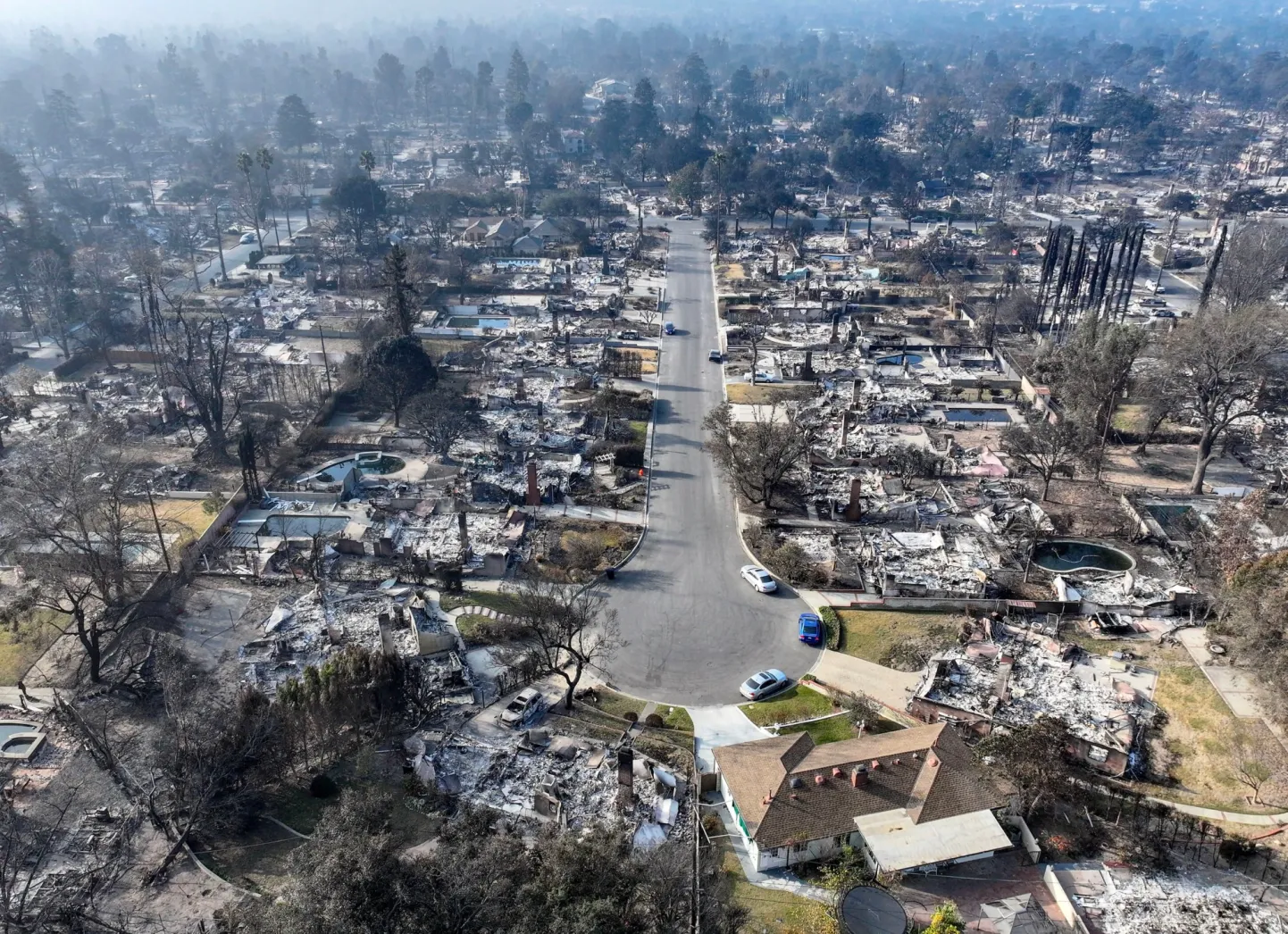
<p><strong>The Washington Post</strong> published an article highlighting the extraordinary research efforts that provided new discoveries about urban wildfire hazards, including the persistence of harmful carcinogens after blazes were extinguished.</p>

<p><strong>Article:</strong> <a href="https://www.washingtonpost.com/weather/2026/01/10/los-angeles-fires-research-toxins-health/">The L.A. fires gave us an unprecedented look at the danger of urban blazes</a></p>

<p><strong>Published:</strong> January 11, 2026<br />
<strong>Author:</strong> Ruby Mellen</p>

<h2 id="rapid-response-research">Rapid Response Research</h2>

<p>The article describes our UCLA research team’s unique position to study the fires in real-time:</p>

<blockquote>
  <p>“By some grim coincidence, a team of scientists was already prepared to deploy into the hills of Los Angeles for another study when the city’s firestorm sparked.”</p>
</blockquote>

<p>On January 7, 2025, our team—equipped with expensive monitoring devices and contacts in the area—pivoted from assessing air quality at a decade-old gas leak site to conducting a real-time analysis of the unfolding disaster.</p>

<h2 id="unprecedented-opportunity">Unprecedented Opportunity</h2>

<p>The article emphasizes the significance of our rapid deployment:</p>

<blockquote>
  <p>“It felt like a rare opportunity — an obligation, almost — to sample the air during an active fire.”</p>
</blockquote>

<p>This real-time data collection during an active urban wildfire provided unprecedented insights into the immediate and lingering dangers posed by these types of disasters.</p>

<h2 id="key-research-finding">Key Research Finding</h2>

<p>The Washington Post highlights our critical discovery:</p>

<blockquote>
  <p>“Harmful carcinogens were still present after the blazes were extinguished, one study found.”</p>
</blockquote>

<p>This finding has important implications for public health protection and recovery planning in fire-affected urban areas.</p>

<h2 id="public-health-significance">Public Health Significance</h2>

<p>Our research demonstrates that urban wildfires present unique challenges compared to traditional wildland fires, with:</p>
<ul>
  <li>Complex mixtures of toxic materials from burned structures</li>
  <li>Prolonged indoor air quality issues</li>
  <li>Need for specialized testing and remediation</li>
  <li>Critical importance of real-time monitoring during active fires</li>
</ul>

<h2 id="related-research">Related Research</h2>

<p>This media coverage is based on our publication: <a href="/yuanyao.github.io/publication/2026-01-02-indoor-outdoor-voc-la-wildfires">Indoor and Outdoor Volatile Organic Compound Levels during and after the 2025 Los Angeles Wildfires</a> published in <em>Environmental Science &amp; Technology Letters</em>.</p>

<p>Our team’s commitment to rapid-response research has provided critical scientific evidence for protecting public health during and after urban wildfire disasters.</p>]]></content><author><name>Yuan Yao</name><email>yuanyao22@ucla.edu</email></author><category term="wildfires" /><category term="urban fires" /><category term="air quality research" /><category term="toxins" /><category term="environmental health" /><category term="Los Angeles" /><summary type="html"><![CDATA[Our UCLA team’s rapid-response research on the 2025 Los Angeles wildfires has been featured in The Washington Post, highlighting the unprecedented real-time data collection that revealed the dangers of urban blazes.]]></summary></entry><entry><title type="html">Associated Press: Their homes survived the historic LA area wildfires, but a year later they fear living in them</title><link href="https://yuanyao22.github.io/yuanyao.github.io/posts/2026/01/ap-news-homes-survived-wildfires/" rel="alternate" type="text/html" title="Associated Press: Their homes survived the historic LA area wildfires, but a year later they fear living in them" /><published>2026-01-05T00:00:00+00:00</published><updated>2026-01-05T00:00:00+00:00</updated><id>https://yuanyao22.github.io/yuanyao.github.io/posts/2026/01/ap-news-homes-survived-wildfires</id><content type="html" xml:base="https://yuanyao22.github.io/yuanyao.github.io/posts/2026/01/ap-news-homes-survived-wildfires/"><![CDATA[<p>Our UCLA research on volatile organic compounds (VOCs) after the 2025 Los Angeles wildfires has been cited in a comprehensive Associated Press investigation into the ongoing health hazards faced by residents whose homes survived the fires.</p>

<p><img src="/yuanyao.github.io/images/news_7.png" alt="News coverage image" style="width: 100%; max-width: 1000px; height: auto; margin-bottom: 20px;" /></p>

<h2 id="associated-press">Associated Press</h2>

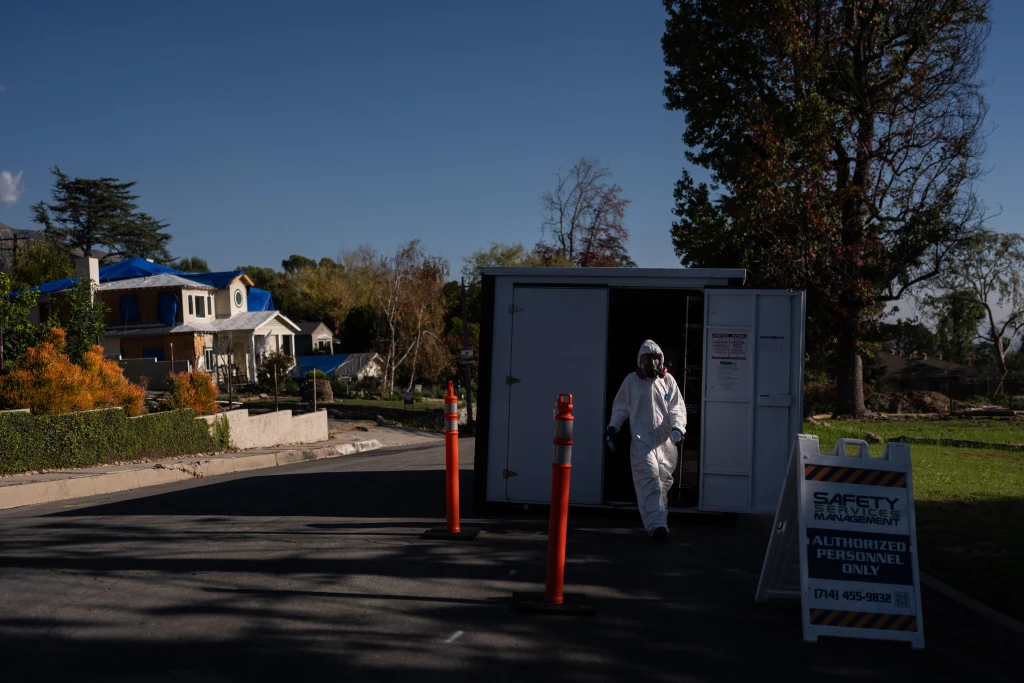
<p><strong>Associated Press</strong> published an in-depth report on the continuing health risks for Altadena and Palisades residents living in homes that survived the wildfires but were contaminated by smoke, ash, and toxic materials.</p>

<p><strong>Article:</strong> <a href="https://apnews.com/article/california-altadena-fire-lead-asbestos-home-insurance-58574f14d63d7f81372198b3af526937">Their homes survived the historic LA area wildfires, but a year later they fear living in them</a></p>

<p><strong>Published:</strong> January 5, 2026<br />
<strong>Authors:</strong> Dorany Pineda and Jae C. Hong</p>

<h2 id="key-findings-from-resident-data">Key Findings from Resident Data</h2>

<p>According to a report by the Eaton Fire Residents United volunteer group:</p>

<ul>
  <li><strong>6 out of 10 homes</strong> damaged from smoke from the Eaton Fire still have dangerous levels of cancer-causing asbestos, brain-damaging lead, or both</li>
  <li><strong>63% of homes</strong> have lead levels above the EPA’s standard</li>
  <li><strong>Average lead levels</strong> were almost 60 times higher than the EPA’s rule</li>
  <li>Data based on 50 homeowners who have cleaned their homes, with 78% hiring professional cleaners</li>
</ul>

<h2 id="research-connection">Research Connection</h2>

<p>The article prominently cites our UCLA study findings:</p>

<blockquote>
  <p>“Even after fires were extinguished, volatile organic compounds from smoke, some known to cause cancer, lingered inside of people’s homes, according to a recent study. To mitigate these risks, residents returning home should ventilate and filter indoor air by opening windows or running high-efficiency particulate air (HEPA) purifiers with charcoal filters.”</p>
</blockquote>

<h2 id="resident-stories">Resident Stories</h2>

<p>The article features several Altadena families struggling with:</p>

<ul>
  <li><strong>Nina and Billy Malone</strong>: Finding harmful lead levels even after professional cleaning; experiencing health symptoms including sore throats, headaches, wheezing, and congestion</li>
  <li><strong>Zoe Gonzalez Izquierdo</strong>: Unable to get adequate insurance coverage for proper cleanup of her home with young children ages 2 and 4</li>
  <li><strong>Julie Lawson</strong>: Paid $7,000 out of pocket to test soil, willing to pay for additional testing if insurance won’t cover it</li>
</ul>

<h2 id="insurance-challenges">Insurance Challenges</h2>

<p>Residents face significant obstacles:</p>
<ul>
  <li>Insurance companies cutting off rental assistance, forcing families back into contaminated homes</li>
  <li>Disputes over what testing and remediation insurance will cover</li>
  <li>Only federally regulated toxins (like lead and asbestos) eligible for insurance-covered cleanup</li>
  <li>Retesting costs up to $10,000 often not covered</li>
</ul>

<h2 id="health-expert-perspective">Health Expert Perspective</h2>

<p>Dr. Lisa Patel, pediatrician and executive director for the Medical Society Consortium on Climate and Health:</p>

<blockquote>
  <p>“For individuals that are pregnant, for young children, it’s particularly important that we do everything we can to eliminate exposure to lead… The same goes for asbestos, because there is no safe level of exposure.”</p>
</blockquote>

<h2 id="long-term-implications">Long-term Implications</h2>

<p>The article highlights critical gaps in understanding:</p>
<ul>
  <li>Indoor air quality after wildfires remains understudied</li>
  <li>Long-term health impacts of exposure to massive urban fires are unknown</li>
  <li>Known risks include links to heart disease, lung issues, and Alzheimer’s disease from exposure to minerals like magnetite</li>
</ul>

<h2 id="related-research">Related Research</h2>

<p>This media coverage draws on our publication: <a href="/yuanyao.github.io/publication/2026-01-02-indoor-outdoor-voc-la-wildfires">Indoor and Outdoor Volatile Organic Compound Levels during and after the 2025 Los Angeles Wildfires</a> published in <em>Environmental Science &amp; Technology Letters</em>.</p>

<p>Our research provides scientific evidence supporting the urgent need for comprehensive testing, remediation, and policy changes to protect residents living in fire-affected areas.</p>]]></content><author><name>Yuan Yao</name><email>yuanyao22@ucla.edu</email></author><category term="wildfires" /><category term="indoor air quality" /><category term="lead contamination" /><category term="asbestos" /><category term="environmental health" /><category term="Los Angeles" /><summary type="html"><![CDATA[Our UCLA research on volatile organic compounds (VOCs) after the 2025 Los Angeles wildfires has been cited in a comprehensive Associated Press investigation into the ongoing health hazards faced by residents whose homes survived the fires.]]></summary></entry><entry><title type="html">Los Angeles Daily News: Standing Homes Air Quality Worsened Over Time in Wildfire Areas</title><link href="https://yuanyao22.github.io/yuanyao.github.io/posts/2026/01/ucla-report-wildfire-air-quality/" rel="alternate" type="text/html" title="Los Angeles Daily News: Standing Homes Air Quality Worsened Over Time in Wildfire Areas" /><published>2026-01-02T00:00:00+00:00</published><updated>2026-01-02T00:00:00+00:00</updated><id>https://yuanyao22.github.io/yuanyao.github.io/posts/2026/01/ucla-report-wildfire-air-quality</id><content type="html" xml:base="https://yuanyao22.github.io/yuanyao.github.io/posts/2026/01/ucla-report-wildfire-air-quality/"><![CDATA[<p>Our UCLA research on indoor and outdoor volatile organic compounds (VOCs) during and after the 2025 Los Angeles wildfires has been featured in the Los Angeles Daily News.</p>

<p><img src="/yuanyao.github.io/images/news_6.png" alt="News coverage image" style="width: 100%; max-width: 1000px; height: auto; margin-bottom: 20px;" /></p>

<h2 id="los-angeles-daily-news">Los Angeles Daily News</h2>

<p><strong>Los Angeles Daily News</strong> published an article highlighting our findings that homes which survived the Eaton and Palisades fires but were exposed to ash or smoke saw worsening air quality over time.</p>

<p><strong>Article:</strong> <a href="https://www.dailynews.com/2026/01/02/ucla-report-standing-homes-air-quality-worsened-over-time-in-wildfire-areas/">UCLA report: Standing homes air quality worsened over time in wildfire areas</a></p>

<p><strong>Published:</strong> January 2, 2026</p>

<p>According to our study, concentrations of volatile organic compounds—benzene, toluene, ethylbenzene, and xylenes—remained significant or even increased after the fires were controlled and outdoor air quality recovered. The research began collecting samples on the second day of the fires and concluded on February 18.</p>

<h2 id="key-quotes">Key Quotes</h2>

<p><strong>Dr. Michael Jerrett</strong>, professor in UCLA Fielding’s Department of Environmental Health Sciences:</p>
<blockquote>
  <p>“These findings underscore the need for targeted interventions to minimize indoor exposures during the recovery phase. These findings raise concerns about indoor air quality post-wildfire, and the potential for prolonged exposure leading to significant health impacts.”</p>
</blockquote>

<p><strong>Dr. Yifang Zhu</strong>, professor in the Department of Environmental Health Sciences:</p>
<blockquote>
  <p>“Even after wildfires are extinguished, residents may remain at risk of exposure to indoor VOCs. This pattern suggests that smoke-impacted materials within the home could continue to release VOCs into the indoor environment, creating a prolonged source of exposure.”</p>
</blockquote>

<h2 id="mitigation-recommendations">Mitigation Recommendations</h2>

<p>According to UCLA, recommended methods to reduce indoor VOC exposure include:</p>
<ul>
  <li>Regularly opening windows</li>
  <li>Operating central heating, ventilation and air conditioning systems with filters rated at least minimum efficiency reporting value 13</li>
  <li>Using portable high efficiency particulate air purifiers with charcoal filters when available</li>
</ul>

<h2 id="related-research">Related Research</h2>

<p>This media coverage is based on our publication: <a href="/yuanyao.github.io/publication/2026-01-02-indoor-outdoor-voc-la-wildfires">Indoor and Outdoor Volatile Organic Compound Levels during and after the 2025 Los Angeles Wildfires</a> published in <em>Environmental Science &amp; Technology Letters</em>.</p>]]></content><author><name>Yuan Yao</name><email>yuanyao22@ucla.edu</email></author><category term="wildfires" /><category term="air quality monitoring" /><category term="indoor air quality" /><category term="VOCs" /><category term="Los Angeles" /><summary type="html"><![CDATA[Our UCLA research on indoor and outdoor volatile organic compounds (VOCs) during and after the 2025 Los Angeles wildfires has been featured in the Los Angeles Daily News.]]></summary></entry><entry><title type="html">Bloomberg: EV Fast Chargers Have a Surprising Health Downside</title><link href="https://yuanyao22.github.io/yuanyao.github.io/posts/2025/08/ev-chargers-health-bloomberg/" rel="alternate" type="text/html" title="Bloomberg: EV Fast Chargers Have a Surprising Health Downside" /><published>2025-08-15T00:00:00+00:00</published><updated>2025-08-15T00:00:00+00:00</updated><id>https://yuanyao22.github.io/yuanyao.github.io/posts/2025/08/ev-chargers-health-bloomberg</id><content type="html" xml:base="https://yuanyao22.github.io/yuanyao.github.io/posts/2025/08/ev-chargers-health-bloomberg/"><![CDATA[<p>Our research on fine particulate matter emissions from electric vehicle fast charging stations has been featured in Bloomberg.</p>

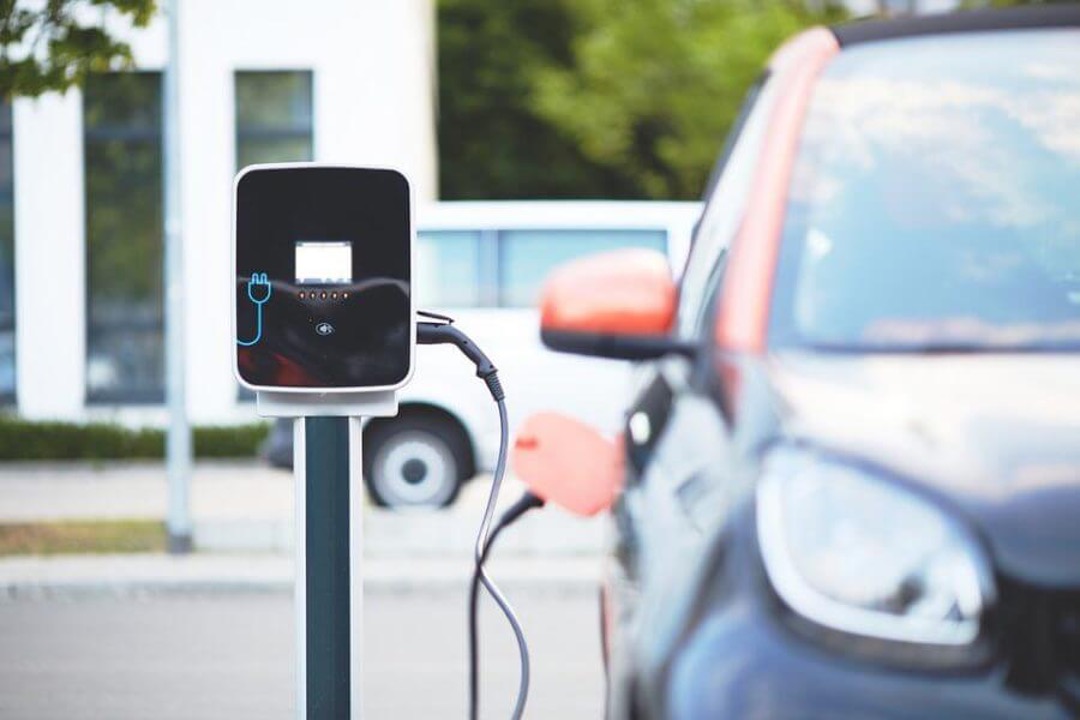
<p><img src="/yuanyao.github.io/images/news_2.png" alt="News coverage image" style="width: 100%; max-width: 1000px; height: auto; margin-bottom: 20px;" /></p>

<h2 id="media-coverage">Media Coverage</h2>

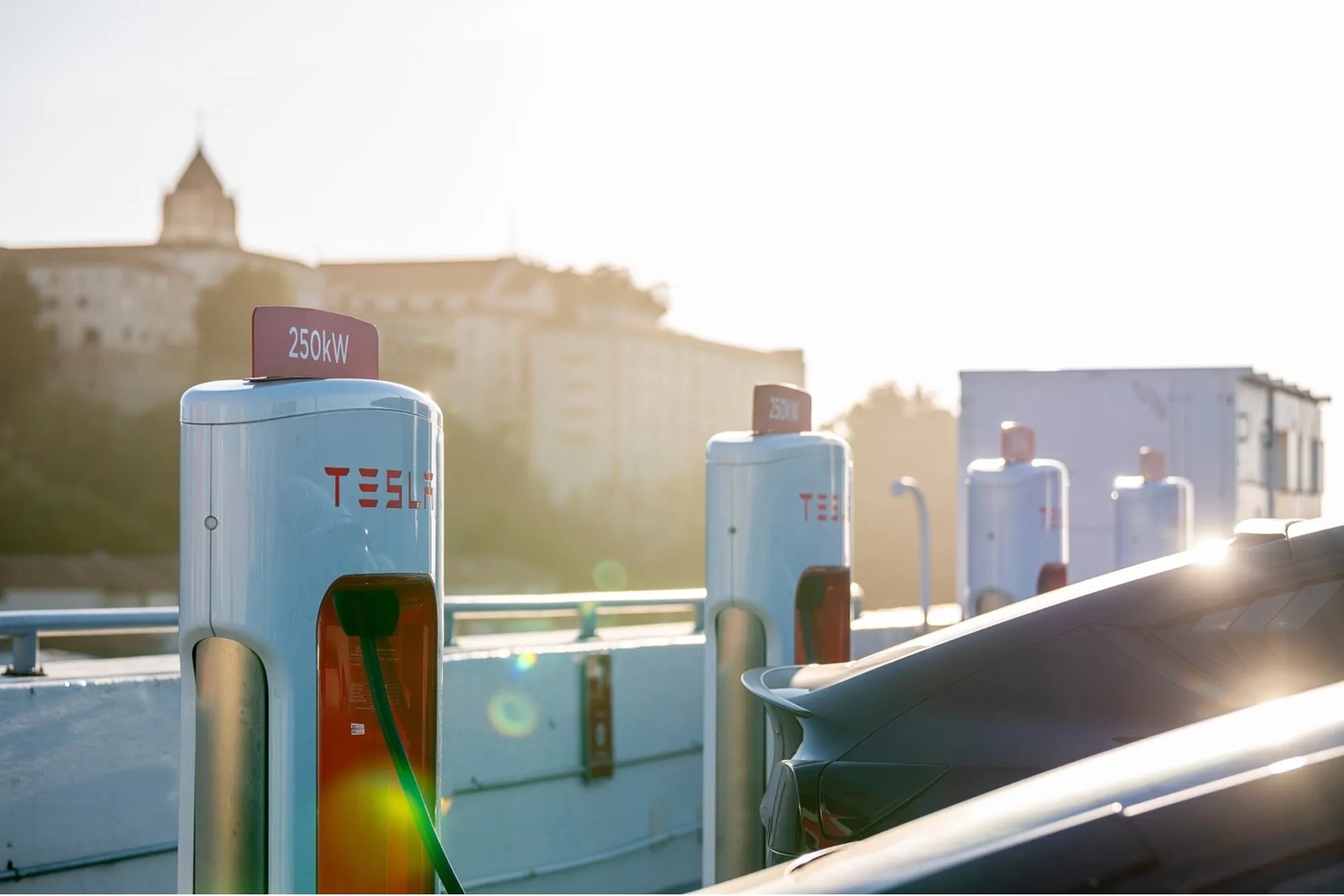
<p><strong>Bloomberg</strong> published an article highlighting the surprising health implications of electric vehicle fast charging stations.</p>

<p><strong>Article:</strong> <a href="https://www.bloomberg.com/news/articles/2025-08-15/electric-vehicle-fast-chargers-have-a-surprising-health-downside">EV Fast Chargers Have a Surprising Health Downside</a></p>

<p><strong>Published:</strong> August 15, 2025</p>

<p>This coverage brings important attention to the unexpected health considerations associated with electric vehicle charging infrastructure and its potential impacts on public health in urban environments.</p>

<h2 id="related-research">Related Research</h2>

<p>This media coverage is based on our publication: <a href="/yuanyao.github.io/publication/2025-06-03-ev-charging-pm-emissions">Fine particulate matter emissions from electric vehicle fast charging stations</a> published in <em>Environment International</em>.</p>]]></content><author><name>Yuan Yao</name><email>yuanyao22@ucla.edu</email></author><category term="air pollution" /><category term="electric vehicles" /><category term="health impacts" /><summary type="html"><![CDATA[Our research on fine particulate matter emissions from electric vehicle fast charging stations has been featured in Bloomberg.]]></summary></entry><entry><title type="html">UCLA Newsroom: UCLA-led team installs air quality monitoring network in western L.A. County as part of fire recovery efforts</title><link href="https://yuanyao22.github.io/yuanyao.github.io/posts/2025/01/ucla-air-quality-monitoring-fire-recovery/" rel="alternate" type="text/html" title="UCLA Newsroom: UCLA-led team installs air quality monitoring network in western L.A. County as part of fire recovery efforts" /><published>2025-07-23T00:00:00+00:00</published><updated>2025-07-23T00:00:00+00:00</updated><id>https://yuanyao22.github.io/yuanyao.github.io/posts/2025/01/ucla-air-quality-monitoring-fire-recovery</id><content type="html" xml:base="https://yuanyao22.github.io/yuanyao.github.io/posts/2025/01/ucla-air-quality-monitoring-fire-recovery/"><![CDATA[<p>Our team’s air quality monitoring efforts in western L.A. County have been featured in UCLA Newsroom as part of fire recovery initiatives.</p>

<p><img src="/yuanyao.github.io/images/news_3.jpg" alt="News coverage image" style="width: 100%; max-width: 1000px; height: auto; margin-bottom: 20px;" /></p>

<h2 id="media-coverage">Media Coverage</h2>

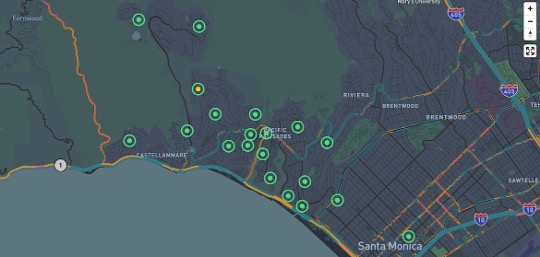
<p><strong>UCLA Newsroom</strong> published an article highlighting our UCLA-led team’s installation of an air quality monitoring network in western Los Angeles County.</p>

<p><strong>Article:</strong> <a href="https://newsroom.ucla.edu/releases/ucla-air-quality-monitoring-network-west-los-angeles-fire-recovery?utm_campaign=manual&amp;utm_medium=trueAnthem&amp;utm_source=linkedin">UCLA-led team installs air quality monitoring network in western L.A. County as part of fire recovery efforts</a></p>

<p><strong>Published:</strong> July 23, 2025</p>

<p>This coverage showcases our team’s proactive response to environmental health challenges in fire-affected areas and our commitment to monitoring air quality for community health and recovery efforts.</p>

<h2 id="related-research">Related Research</h2>

<p>This monitoring network builds upon our expertise in air quality research and environmental health studies in urban environments.</p>]]></content><author><name>Yuan Yao</name><email>yuanyao22@ucla.edu</email></author><category term="air quality monitoring" /><category term="fire recovery" /><category term="environmental health" /><category term="Los Angeles" /><summary type="html"><![CDATA[Our team’s air quality monitoring efforts in western L.A. County have been featured in UCLA Newsroom as part of fire recovery initiatives.]]></summary></entry><entry><title type="html">Palisades News: UCLA Team Installs Air Quality Network in West LA</title><link href="https://yuanyao22.github.io/yuanyao.github.io/posts/2025/01/palisades-news-air-quality-network/" rel="alternate" type="text/html" title="Palisades News: UCLA Team Installs Air Quality Network in West LA" /><published>2025-07-22T00:00:00+00:00</published><updated>2025-07-22T00:00:00+00:00</updated><id>https://yuanyao22.github.io/yuanyao.github.io/posts/2025/01/palisades-news-air-quality-network</id><content type="html" xml:base="https://yuanyao22.github.io/yuanyao.github.io/posts/2025/01/palisades-news-air-quality-network/"><![CDATA[<p>Our team’s air quality monitoring network installation in West LA has been featured in Palisades News.</p>

<p><img src="/yuanyao.github.io/images/news_4.jpg" alt="News coverage image" style="width: 100%; max-width: 1000px; height: auto; margin-bottom: 20px;" /></p>

<h2 id="media-coverage">Media Coverage</h2>

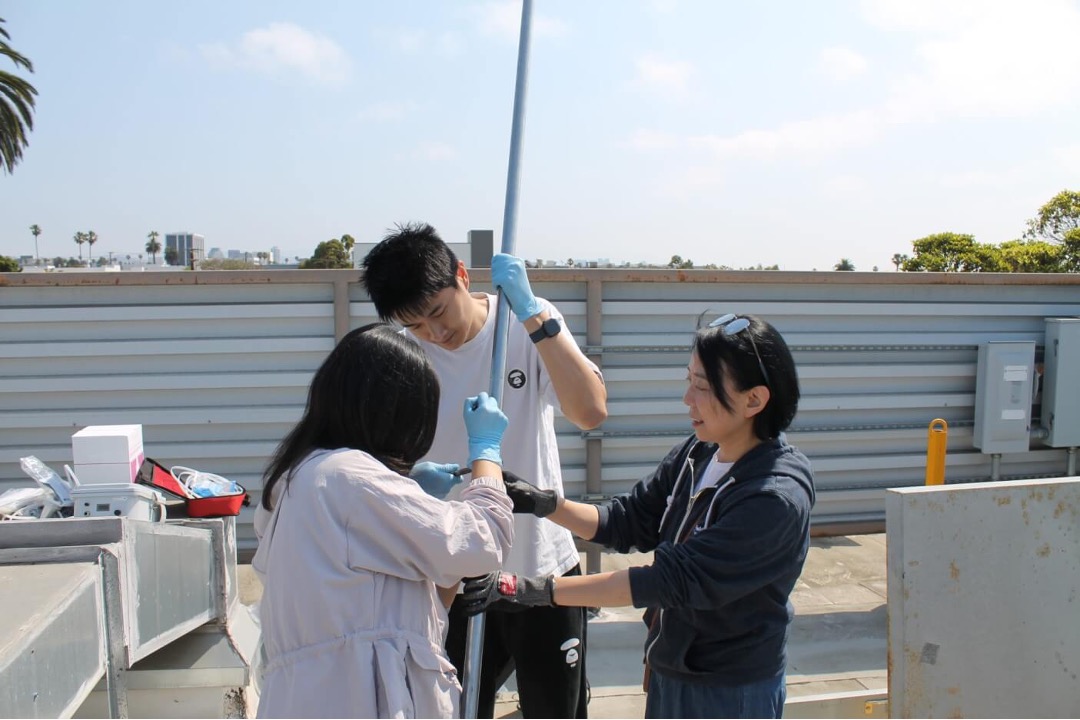
<p><strong>Palisades News</strong> published an article highlighting our UCLA team’s installation of an air quality monitoring network in West Los Angeles.</p>

<p><strong>Article:</strong> <a href="https://palisadesnews.com/ucla-team-installs-air-quality-network-in-west-la/">UCLA Team Installs Air Quality Network in West LA</a></p>

<p><strong>Published:</strong> July 22, 2025</p>

<p>This coverage showcases our team’s commitment to environmental health monitoring and community-focused research initiatives in the West LA area.</p>

<h2 id="related-research">Related Research</h2>

<p>This monitoring network demonstrates our ongoing dedication to air quality research and environmental health studies in urban communities.</p>]]></content><author><name>Yuan Yao</name><email>yuanyao22@ucla.edu</email></author><category term="air quality monitoring" /><category term="environmental health" /><category term="Los Angeles" /><summary type="html"><![CDATA[Our team’s air quality monitoring network installation in West LA has been featured in Palisades News.]]></summary></entry><entry><title type="html">Science Blog: EV Fast Chargers Create Pollution Hot Spots</title><link href="https://yuanyao22.github.io/yuanyao.github.io/posts/2025/02/science-blog-ev-pollution-hotspots/" rel="alternate" type="text/html" title="Science Blog: EV Fast Chargers Create Pollution Hot Spots" /><published>2025-07-06T00:00:00+00:00</published><updated>2025-07-06T00:00:00+00:00</updated><id>https://yuanyao22.github.io/yuanyao.github.io/posts/2025/02/science-blog-ev-pollution-hotspots</id><content type="html" xml:base="https://yuanyao22.github.io/yuanyao.github.io/posts/2025/02/science-blog-ev-pollution-hotspots/"><![CDATA[<p>Our research on electric vehicle fast charging stations and pollution has been featured in Science Blog.</p>

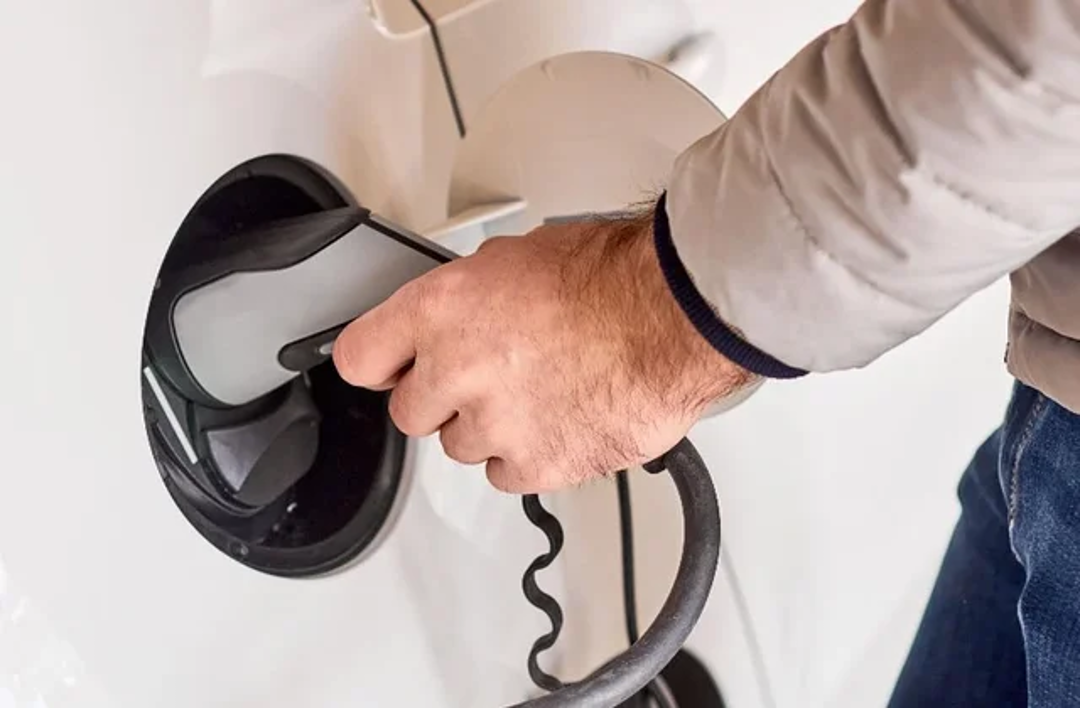
<p><img src="/yuanyao.github.io/images/news_5.jpg" alt="News coverage image" style="width: 100%; max-width: 1000px; height: auto; margin-bottom: 20px;" /></p>

<h2 id="media-coverage">Media Coverage</h2>

<p><strong>Science Blog</strong> published an article highlighting our findings on how EV fast chargers create pollution hot spots.</p>

<p><strong>Article:</strong> <a href="https://scienceblog.com/ev-fast-chargers-create-pollution-hot-spots/">EV Fast Chargers Create Pollution Hot Spots</a></p>

<p><strong>Published:</strong> July 6, 2025</p>

<p>This coverage brings attention to the unexpected environmental implications of electric vehicle charging infrastructure and the importance of understanding localized pollution effects.</p>

<h2 id="related-research">Related Research</h2>

<p>This media coverage is based on our publication: <a href="/yuanyao.github.io/publication/2025-06-03-ev-charging-pm-emissions">Fine particulate matter emissions from electric vehicle fast charging stations</a> published in <em>Environment International</em>.</p>]]></content><author><name>Yuan Yao</name><email>yuanyao22@ucla.edu</email></author><category term="air pollution" /><category term="electric vehicles" /><category term="environmental science" /><category term="pollution hotspots" /><summary type="html"><![CDATA[Our research on electric vehicle fast charging stations and pollution has been featured in Science Blog.]]></summary></entry><entry><title type="html">U.S. News &amp;amp; World Report: High Levels of Particulate Matter Found Near Electric Vehicle Charging Stations in L.A.</title><link href="https://yuanyao22.github.io/yuanyao.github.io/posts/2025/07/ev-charging-media-coverage/" rel="alternate" type="text/html" title="U.S. News &amp;amp; World Report: High Levels of Particulate Matter Found Near Electric Vehicle Charging Stations in L.A." /><published>2025-07-03T00:00:00+00:00</published><updated>2025-07-03T00:00:00+00:00</updated><id>https://yuanyao22.github.io/yuanyao.github.io/posts/2025/07/ev-charging-media-coverage</id><content type="html" xml:base="https://yuanyao22.github.io/yuanyao.github.io/posts/2025/07/ev-charging-media-coverage/"><![CDATA[<p>Our research on fine particulate matter emissions from electric vehicle fast charging stations has been featured in U.S. News &amp; World Report.</p>

<p><img src="/yuanyao.github.io/images/news_1.png" alt="News coverage image" style="width: 100%; max-width: 1000px; height: auto; margin-bottom: 20px;" /></p>

<h2 id="media-coverage">Media Coverage</h2>

<p><strong>U.S. News &amp; World Report</strong> published an article highlighting our findings on particulate matter levels near electric vehicle charging stations in Los Angeles.</p>

<p><strong>Article:</strong> <a href="https://www.usnews.com/news/health-news/articles/2025-07-03/high-levels-of-particulate-matter-found-near-electric-vehicle-charging-stations-in-l-a">High Levels of Particulate Matter Found Near Electric Vehicle Charging Stations in L.A.</a></p>

<p><strong>Published:</strong> July 3, 2025</p>

<p>This coverage brings important attention to our research findings on the environmental impact of electric vehicle charging infrastructure and its implications for air quality in urban areas.</p>

<h2 id="related-research">Related Research</h2>

<p>This media coverage is based on our publication: <a href="/yuanyao.github.io/publication/2025-06-03-ev-charging-pm-emissions">Fine particulate matter emissions from electric vehicle fast charging stations</a> published in <em>Environment International</em>.</p>]]></content><author><name>Yuan Yao</name><email>yuanyao22@ucla.edu</email></author><category term="air pollution" /><category term="electric vehicles" /><summary type="html"><![CDATA[Our research on fine particulate matter emissions from electric vehicle fast charging stations has been featured in U.S. News &amp; World Report.]]></summary></entry></feed>